Selected Technological Projects
Pipeline inspection robot
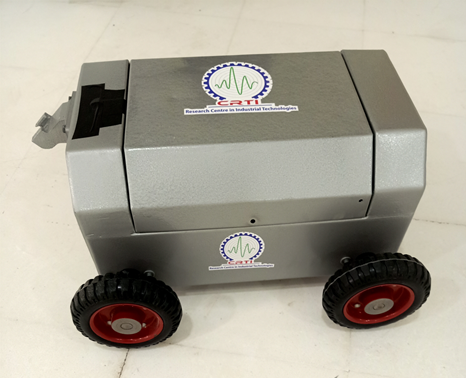
A pipeline inspection robot is an autonomous system designed to navigate inside pipelines and assess their internal condition. Equipped with a camera, display, and an FPGA board enabling real-time remote video transmission and onboard video recording, it enables the visualization and detection of defects such as corrosion and cracks. Its main objectives include enhancing safety by eliminating human entry into hazardous environments, improving efficiency through rapid and continuous inspection of long pipeline sections, and increasing diagnostic accuracy by providing high-quality visual data. This technology is primarily used for visual inspection and supports preventive and corrective maintenance of pipeline infrastructures in sectors such as oil, gas, and water
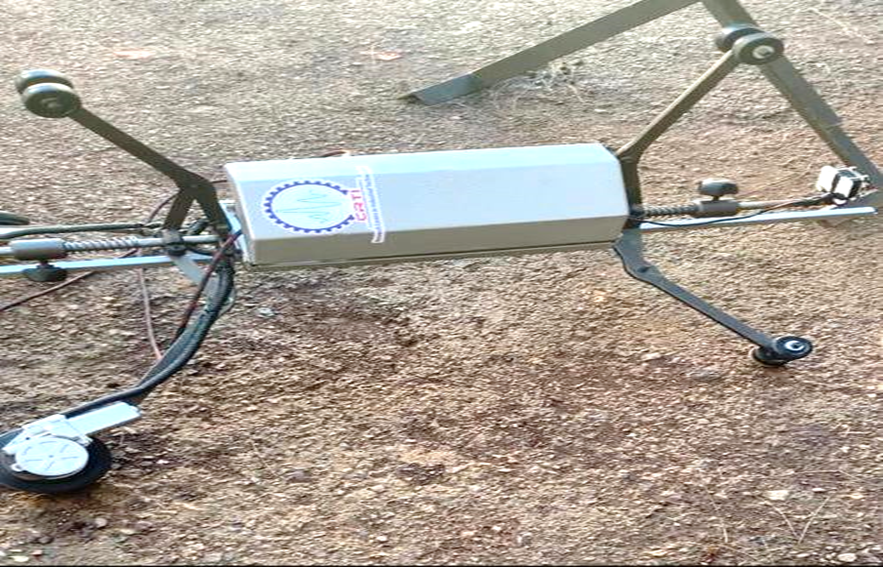
Two images of the device: one showing the device and the other during operation
Design and Development of a New Vertical Loading System with Improvements to the Friction Stir Welding (FSW) Machine
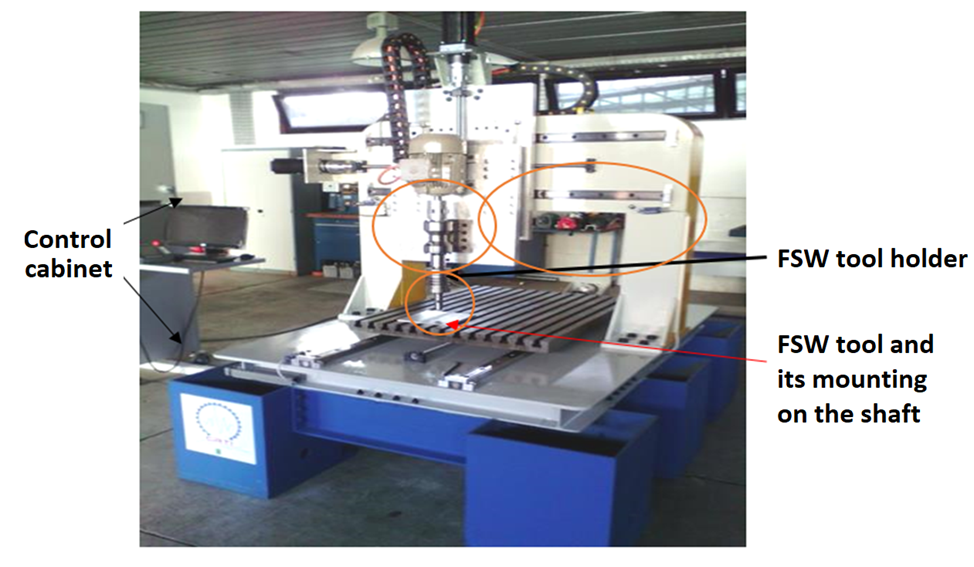
Our Friction Stir Welding (FSW) machine is designed to join two metallic components without melting them, using a rotating tool that generates heat and plasticizes the material through frictional stirring. The system consists of a motor that drives the rotation of the tool, a feed mechanism that ensures controlled translational motion, and a rigid fixture that securely holds the workpieces during welding.
As part of a machine development project, the system was enhanced through the design of a new vertical loading mechanism. This mechanism simplifies the installation of the workpieces, making the setup process faster, more accurate, and more ergonomic, while significantly improving the overall usability of the FSW machine.
Design and Development of an RFSSW Welding Machine
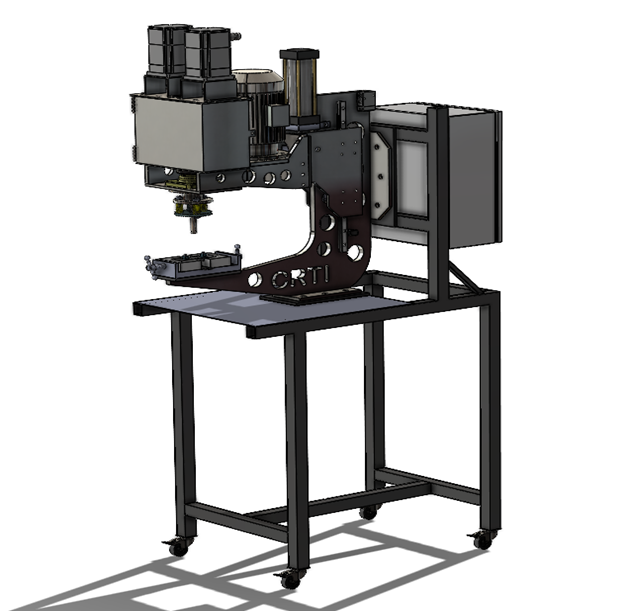
Our RFSSW machine is a dedicated system designed to perform Refill Friction Stir Spot Welding, a solid-state process capable of completely refilling the weld spot through controlled frictional stirring. Our project purpose is to produce defect-free, solid spot welds between metallic sheets particularly lightweight alloys by automating the RFSSW process and ensuring precise control of key parameters such as rotational speed, plunge depth, and dwell time. This project delivers high repeatability and meets industrial requirements for quality, productivity, and full process traceability. It enables the joining of sheets without melting or filler material while eliminating the central keyhole associated with conventional FSSW, providing a clean, reliable, and automated solution for producing high-strength welds with minimal distortion, suitable for industrial series, material testing, and high value component manufacturing.
Development of a Universal RFSSW Welding Tool
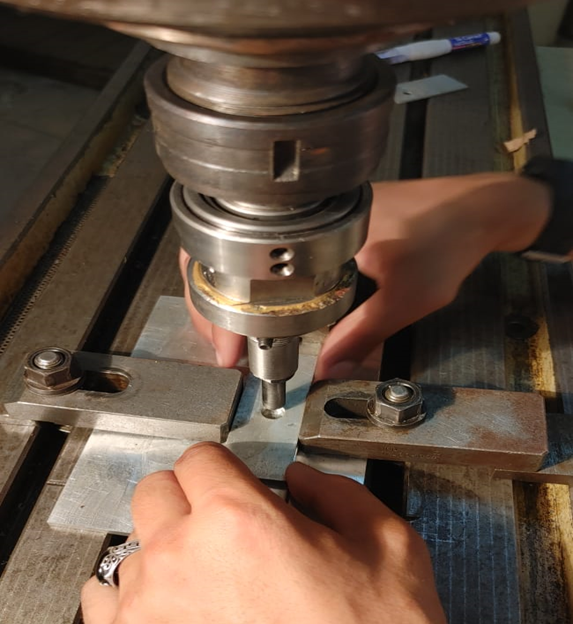
This project focuses on the development of a universal RFSSW welding tool that can be mounted on a conventional milling machine without the need for dedicated equipment or robotic systems. The tool enables simultaneous rotation of the sleeve and pin via the machine spindle, while axial movements are achieved through a combination of motorized head feed and a simple mechanical pin control system. The objective is to produce defect free refill friction stir spot welds without residual keyholes in lightweight metallic sheets, particularly aluminum and magnesium alloys. This solution offers a cost-effective and accessible approach for research, prototyping, and industrial applications requiring high quality spot welds.
Design and Development of an Electric Vehicle Gear Reducer
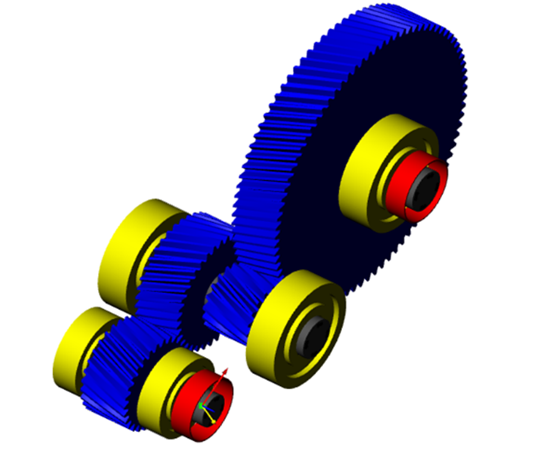
This project focused on the engineering design of a compact and reliable gear reducer for an electric vehicle, intended to match the high rotational speed of the electric motor to the required wheel speed while increasing output torque. The study included the determination of the reduction ratio based on motor speed–torque characteristics, vehicle traction requirements, and efficiency targets, as well as the selection of gear type considering contact stress, bending stress, and service life. Dimensional constraints, bearing selection, shaft sizing, lubrication method, and thermal behavior were analyzed to ensure mechanical integrity. A complete 3D model and detailed manufacturing drawings were produced and transferred to an industrial partner for fabrication, with the objective of integrating the reducer into an electric vehicle prototype.
Functional analysis
Optimization and Implementation of an Electronic Gas Detector Circuit
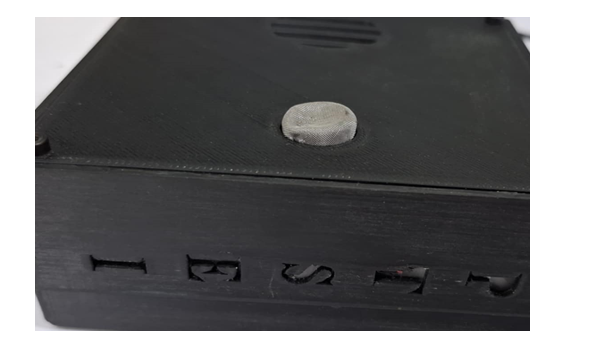
This project focused on the optimization and realization of an electronic circuit for a residential gas detector designed to ensure a high level of safety by reliably detecting natural gas leaks and carbon monoxide (CO). The work involved improving sensor sensitivity and system reliability through appropriate sensor selection, signal conditioning, and threshold calibration, while minimizing circuit complexity to achieve fast response time and low power consumption. Emphasis was placed on cost-effective component selection, noise reduction, and stable operation under domestic conditions. The optimized circuit enables accurate and rapid detection of hazardous gases and provides timely alarms to enhance occupant safety, making it a reliable and affordable solution for household gas safety applications.
Design and Fabrication of a Permanent Magnet Brushless Motor (PMBM) Prototype for an Electric Vehicle (EV)
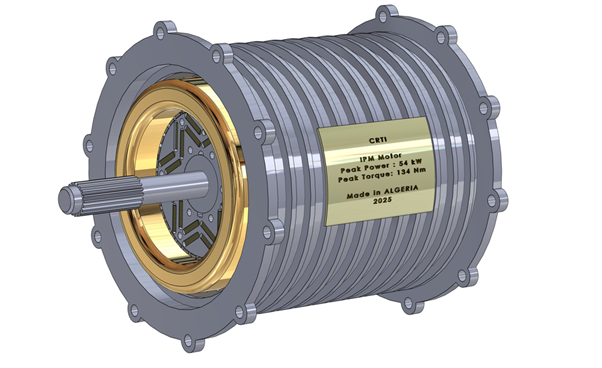
This project aims to study, design, and develop a prototype of a permanent-magnet brushless motor (BPM) intended for an electric vehicle. Brushless motors are widely favored in the electric-vehicle market due to their high performance, compactness, low weight, reduced maintenance requirements, smooth and efficient operation over a wide speed range, ability to support regenerative braking, and superior power-to-weight ratio. They can deliver the required power while occupying less space than other motor types, thereby freeing room for the battery without compromising efficiency. Moreover, the BPM motor contributes significantly to extending the vehicle’s driving range. The project leverages the inherent advantages of brushless technology to enhance the performance and efficiency of electric vehicles, supporting the advancement of electric propulsion systems and contributing to the development of Algeria’s electric-vehicle and automotive industries.
Measurement and Transmission Chain Using LoRa-IoT Technology: Application to Wheat Growth Monitoring
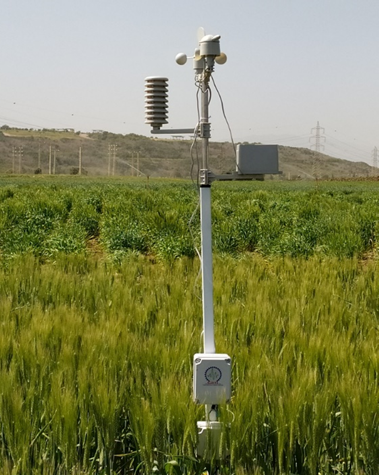
The monitoring system consists of a network of sensors connected to a gateway, designed to measure in real time key environmental parameters such as air temperature and humidity, soil temperature, soil moisture, soil pH, wind speed and direction, rainfall, and solar radiation—factors essential for effective wheat growth monitoring. The system employs IoT sensors and microcontrollers to acquire and process these variables. The project aims to reduce the use of agricultural resources, such as fertilizers, by enabling continuous real-time field monitoring. This approach facilitates efficient data collection, transmission, and analysis through integration with an online database platform, thereby improving precision agriculture and supporting better decision-making in crop management.
Design and Implementation of an In-Vehicle Navigation and Infotainment System
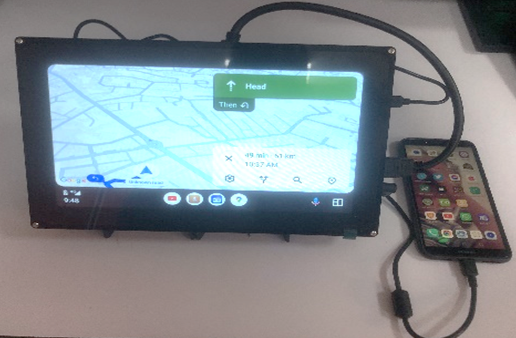
This project involved the design and implementation of a portable in-vehicle navigation and infotainment system intended to provide driver assistance and multimedia functionalities. The prototype was developed using a Raspberry Pi platform and supports GPS navigation, multimedia playback, and Android Auto integration. The system architecture focused on hardware–software integration, interface responsiveness, and reliable operation in an embedded automotive environment. An intuitive human–machine interface (HMI) was implemented to ensure safe and user-friendly operation during driving. The developed solution offers a low-cost and flexible alternative to commercial in-vehicle infotainment systems, suitable for embedded applications and experimental vehicle platforms.
Design and Implementation of an On-Board Computer for Electric Vehicles (EVs)
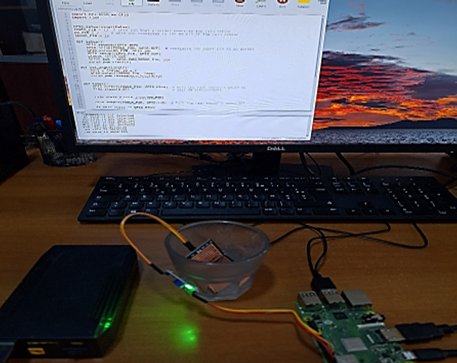
This project focused on the design and realization of an embedded on-board computer dedicated to electric vehicles, developed within the framework of EV prototype development. The system integrates multiple sensors and actuators to ensure driver safety and comfort through a centralized embedded architecture. The implemented functionalities include a rain detection system for automatic windshield wiper control via electric motor actuation, an interior temperature monitoring and climate control system, and a proximity detection system for nearby objects or vehicles with acoustic alarm indication. The system was implemented using a Raspberry Pi 3 platform, emphasizing sensor acquisition, actuator control, real-time response, and human–machine interaction. This project contributes to the development of electric vehicle auxiliary systems and demonstrates effective mastery of embedded electronics, including sensors, actuators, microcontrollers, and system integration for automotive applications.
Web Application for Thermal Image Analysis of Feet for Diabetic Neuropathy Assessment
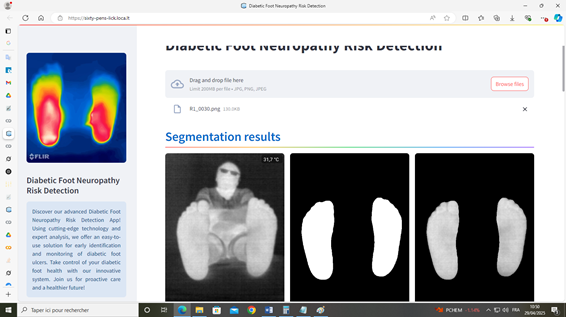
This project involved the design and development of a web-based application for the automated analysis of plantar thermal images to assess the risk of diabetic neuropathy. The application was developed using FastAPI and integrates artificial intelligence techniques for image processing, foot segmentation, and thermal data extraction. A dedicated AI pipeline processes thermal images to compute average temperatures per anatomical region, evaluate inter-foot temperature differences, and generate visual outputs. The backend leverages libraries such as image extractors for thermal data acquisition, OpenCV and PyTorch for image processing and deep learning inference, and FPDF for automated generation of personalized PDF medical reports. The system provides quantitative indicators, annotated thermal images, and clinical interpretations to support medical decision-making, enabling early detection of neuropathic risk, efficient documentation, and integration into digital health, telemedicine, and medical research environments.
Remote-Controlled Endoscopic Pipeline Inspection System
This project focused on the design and implementation of a remote-controlled endoscopic robot for non-destructive inspection of pipelines. The embedded system architecture is based on two complementary subsystems: a long-range communication module using the LoRa protocol for position feedback, command transmission, and robot guidance, and a real-time video transmission system providing visual feedback during inspection, with range limited by the video link. The project aimed to address communication reliability and real-time visualization challenges by integrating LoRa for robust low-bandwidth data exchange and WebRTC-based video streaming for live inspection. The developed system enhances the safety and efficiency of pipeline inspection operations by enabling monitoring in confined and hazardous environments. The prototype was experimentally validated on a 7 m pipeline, demonstrating its applicability for non-destructive testing (NDT), infrastructure monitoring, and maintenance in industrial, energy, and agricultural pipeline networks.
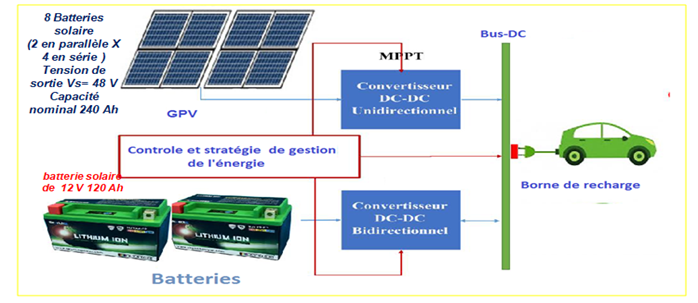
Design and Implementation of a Solar-Powered Charging Station for Electric Vehicles
This project aims to design and develop a solar-powered charging station for electric vehicles. It combines simulation with the construction of a physical prototype, featuring an 8-panel photovoltaic array, MPPT controller, static converters, protective electrical cabinet, and intelligent management system. The output voltage is adapted for battery charging via a step-up converter.
The project provides an autonomous, eco-friendly, and secure EV charging solution while developing expertise in energy conversion, storage management, and smart distribution systems. It includes the implementation of protection and monitoring systems, energy optimization algorithms, and the fabrication of AC-DC, DC-DC, and DC-AC converters, along with measurement boards for voltage, current, temperature, and energy storage levels.
This system offers a practical and sustainable approach to renewable-energy-based EV charging for industrial, experimental, and educational applications.
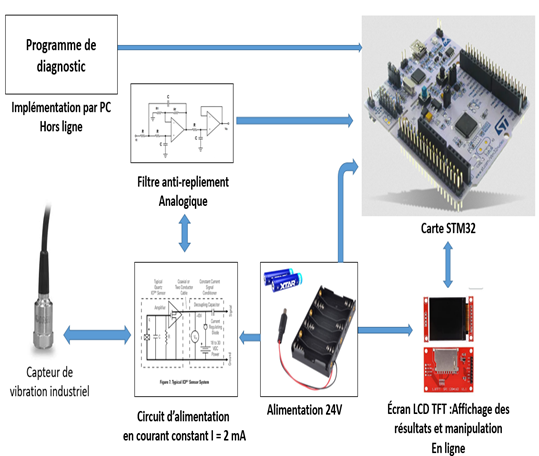
Automatic Bearing Fault Diagnosis Using Frequency Similarity Analysis of Vibration Signals
This project develops an automatic diagnostic system for bearings in rotating machinery using frequency similarity analysis of vibration signals. It combines cost-effective, real-time vibration signal acquisition with advanced similarity-based algorithms to detect faults early, enabling predictive maintenance, reducing unplanned downtime, and extending equipment lifespan. Applications cover energy (turbines, generators, wind turbines), industrial manufacturing (machine tools, presses, conveyors), transportation (trains, aircraft, automobiles), and mining (crushers, grinders, material handling equipment).
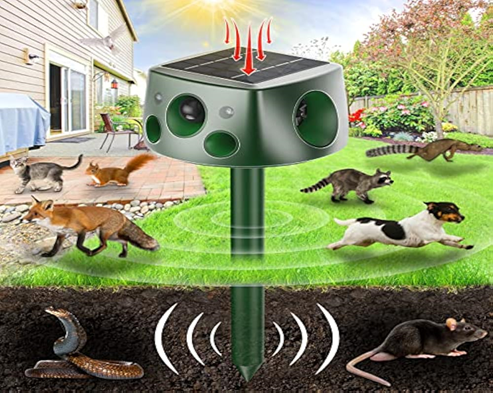
Development of an Ultrasonic Repellent Device for Animals and Insects
This project develops an active ultrasonic system designed to repel specific animals and insects by emitting controlled ultrasonic frequencies. The device is tested in real conditions to ensure effectiveness without causing harm or ecological imbalance. Applications include residential protection (homes, gardens, terraces), agriculture and livestock, public and commercial areas (schools, hospitals, warehouses), and airport safety by deterring birds and animals from runways. This eco-friendly, non-chemical solution provides a humane and practical method for managing animal and insect interference.
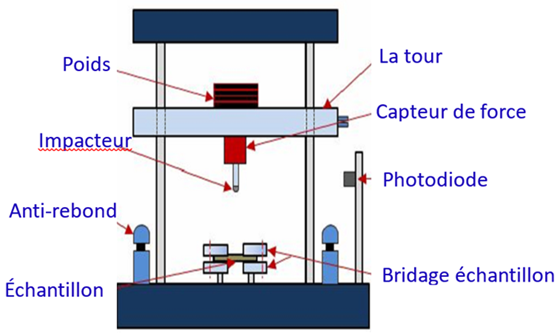
Repeated Impact Testing System for Composite Material Damage Assessment
This project develops a laboratory system for performing repeated low-velocity impact tests on composite materials, enabling evaluation of damage evolution and modes under multiple impacts. The system features a guided drop tower with an instrumented impactor and sample clamping device, supporting impacts from 0.3 to 3 m/s and energies of 0.5 to 20 J. Applications include mechanical design, materials science and electronics, with objectives including damage scenario analysis and numerical modeling.
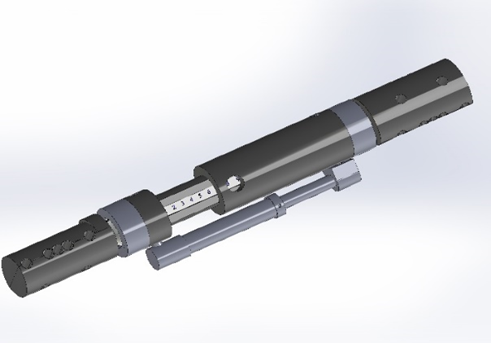
Design and Fabrication of a Bone Fixator
This project focuses on the design and fabrication of innovative bone fixators for the treatment of fractures. The device is intended to be lightweight, biocompatible, durable, and easy to use, suitable for all ages, and adapted to the Algerian hospital environment. By utilizing locally available materials and accessible manufacturing technologies, the project aims to produce cost-effective bone fixators that comply with medical standards and promote optimal healing.
Objectives include mastering bone fixator design, developing pediatric and all-age orthopedic fixators, creating a locally manufactured product with high integration, and establishing technical expertise in medical device production. This solution supports orthopedic surgery by stabilizing fractured bones and enhancing patient recovery.
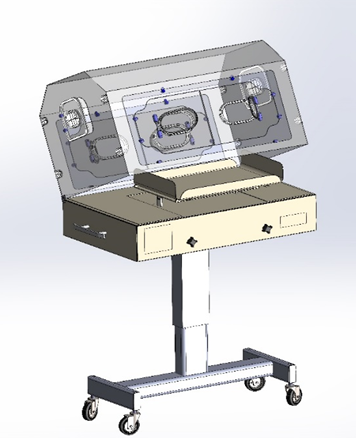
Design and Development of an Incubator for Premature Babies
This project focuses on the design and development of an innovative, ergonomic incubator to provide a safe, controlled environment for premature infants by regulating temperature, humidity, and oxygen levels. The system integrates advanced monitoring technologies to ensure precise and simplified medical care while remaining adaptable to local operational conditions. It addresses national healthcare needs by offering a locally produced solution, develops technical expertise within Algeria, and promotes high integration of locally sourced components. The incubator supports neonatal growth and survival, reduces health risks, and ensures optimal conditions for early development. This device represents a significant step toward accessible, high-quality neonatal care in hospitals.
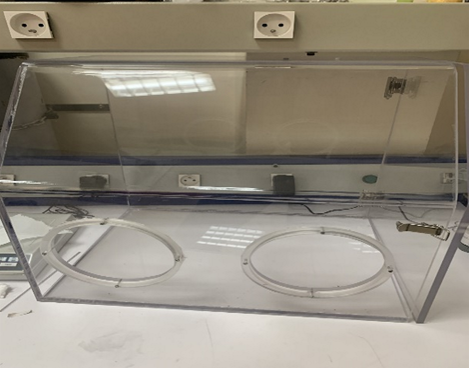
Development of an Enclosure for Handling Nanometric Powders
This project focuses on the design and construction of a specialized enclosure to safely handle nanometric powders in laboratory settings. The system isolates hazardous materials from the operator and the external environment, allowing preparation, weighing, and manipulation under a controlled atmosphere to prevent contamination and exposure. It features a plexiglass panel for clear visibility, a large side opening with elastic seals, and an air extraction system with a particle filter to protect the environment. The compact, transportable design (500x400x500 mm) ensures safety, cleanliness, and efficiency during scientific manipulations. This device is applicable across health, research, and industrial laboratories where handling dangerous substances under an isolated atmosphere is required.
Development of a Water Distiller
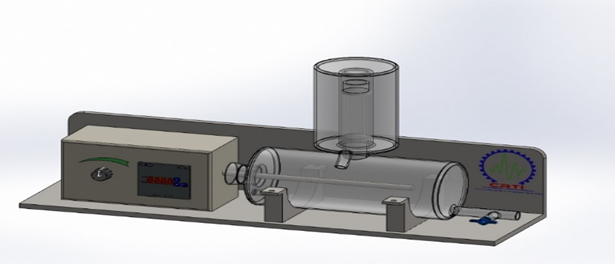
This project focuses on the design and construction of a laboratory water distiller to produce high-quality distilled water for chemical experiments. The system operates by heating mineral water to its boiling point, allowing it to evaporate, then cooling and condensing the vapor back into liquid form in a condenser, yielding purified water. The device integrates an electronic control system to monitor and display temperature, as well as a ventilation or cooling system to ensure safe and efficient operation. The distiller is designed according to our own specifications, emphasizing the quality of the distillate and the reliability of the process. This project provides a practical and autonomous solution for laboratories requiring consistent production of distilled water.